
Showing posts with label Packaging. Show all posts

Tips For Designing Effective Supplement Labels

how to design effective supplement labels dietary supplements labeling

As the supplement industry continues to grow, more and more entrepreneurs are looking to start their own supplement brands. With the market becoming increasingly saturated, it is crucial to have a standout product that catches the eye of potential customers. One of the most important aspects of creating a successful supplement brand is designing an effective label. A label can make or break a product, so it is essential to get it right. 

In this article, we will provide 6 smart tips for designing effective supplement labels that will help your brand stand out from the competition. 

1. Determine Your Brand's Identity 

Designing a supplement label is not just about making something that looks nice, it's about creating a visual representation of your brand. Before you start designing, it's important to take a step back and determine what your brand stands for. Your label should reflect your brand's messaging, image, and values. If you are marketing an all-natural, eco-friendly product, your label should incorporate these values into its design. This includes the color scheme, imagery, and font choice. By doing this, you create consistency across all aspects of your business, and your customers will be able to easily recognize your brand. Having a clear understanding of your brand's identity is essential for effective marketing and can help set your brand apart in a competitive market. 

2. Use High-Quality Materials 

When designing a supplement label, it is important to consider the materials you will be using. The quality of these materials can greatly impact the overall appearance and longevity of your label. It is essential to use high-quality materials that can withstand the wear and tear of being shipped and stored. This is particularly important if you're planning to sell your product online or in retail stores. By using durable materials, you can ensure that your label remains intact and legible throughout the product's lifespan. Make sure to use a reputable plastic manufacturer as this can help ensure that the label is made with high-quality materials. 

3. Keep It Simple 

When designing your supplement label, it is important to keep it simple. Too much information or clutter on a label can be overwhelming and confusing for customers. Keep the design clean and straightforward, with essential information prominently displayed. A simple, clean label is easier to read and can help communicate the benefits of your product more effectively. Avoid using too many fonts or colors, and make sure the font size is large enough to read easily. 

product labels

4. Highlight Key Information

When designing a supplement label, it is essential to prioritize the placement of critical information. 

• Product Name: This should be prominently displayed on the label and accurately reflect the product inside. 

• Active Ingredients: The label should clearly list the active ingredients and their dosage per serving. 

• Supplement Facts: This section should include information such as serving size, number of servings per container, and the amount of each active ingredient per serving. 

• Directions For Use: This section should provide clear and concise instructions on how to take the supplement, including dosage and frequency. 

• Warnings And Precautions: Any potential risks or side effects associated with the supplement should be clearly stated on the label. This may include warnings for pregnant or nursing women, individuals with allergies, or people taking certain medications. 

• Manufacturing Information: This section should provide details about the manufacturer, including their name and address, as well as any relevant certifications or quality control measures they follow. 

• Expiration Date: The label should clearly display the expiration date of the product. 

• Net Quantity Of Contents: The label should display the amount of product in the container, either by weight or volume. 

By making this information easily accessible, customers can quickly identify and understand what they are buying. 

In addition to highlighting key information, it is also crucial to include any necessary warnings or precautions. This includes allergen information, dosage instructions, and any other relevant safety information. This information should be presented in a clear and concise manner, without the use of jargon or technical terms that may be difficult for customers to understand. 

5. Use Eye-Catching Design Element 

While it is essential to keep your supplement label simple and clean, you also want it to stand out from the competition. Using eye-catching design elements can help your product catch the eye of potential customers. Consider using bold colors, unique imagery, or creative typography to make your label pop. However, be careful not to go overboard with design elements, as too much can be distracting and detract from the overall effectiveness of the label. 

6. Get Feedback From Customers 

Once you have designed your supplement label, it is important to get feedback from customers. Ask for opinions on the overall design, readability, and effectiveness of the label in communicating the benefits of your product. Customer feedback can help you identify any areas for improvement and ensure that your label is effective in attracting and retaining customers. 

Conclusion 

To create a successful supplement brand, you need an effective label. Determine your brand identity, use quality materials, keep it simple, highlight key info, use eye-catching design, and get customer feedback. Use a reputable plastic manufacturer for durability, and seek feedback to improve your label and product.

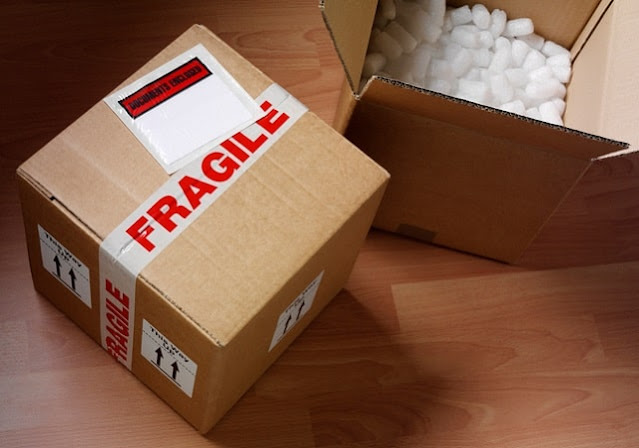
How To Safely Ship Fragile Items Internationally

how to safely ship fragile items internationally shipping packages carefully

Shipping internationally is challenging itself, but when the goods you need to ship are fragile, it becomes far more complex. Sending a package on a long overseas journey increases the risks of having your goods shattered into pieces in transit. Packing vases or gadgets requires much more attention and care than packing clothes or teddy bears. So, before shipping breakables, make sure you prepare them correctly. 

Here are some ideas on how to make fragile items shipping overseas easier and most importantly safer. Let’s dive in to smarter global shipments. 

Get Right Materials 

When sending fragile items from one country to another, using proper packaging materials is one of the most important things. It will help you protect breakables from inside and out. 

Here’s a quick list of essentials to get when sending fragile goods: 

● Wooden, cardboard, or another sturdy box 
● Wide and strong packing tape 
● Internal packaging - craft paper, packing peanuts, foam, or bubble wrap 

Having all this will let you pack the items properly for the international journey. Make sure you choose high-quality materials to get the best protection for your vulnerable package. 

Use Plenty Of Internal Packaging 

Usually, international shipments take a longer period to reach the destination point and are handled by dozens of people in the transportation process. Imagine you need to send a package from the States to Poland. It can be thrown or dropped multiple times on its way. Obviously, shipping to Poland from the USA will be less scary if you’ll have your breakable goods protected properly. 

Thus, the most important part when packing breakables is internal packaging. Use plenty of it to secure the goods from moving and smashing into each other. If you’re not thrilled with the idea of buying internal packaging materials each time you need to ship fragile items, you can reuse them. If you occasionally receive packages yourself, don’t throw away packaging materials. Any materials that are not damaged and function well are good to be used again. 

Use A Strong Box 

Unlike internal packaging materials, it is not recommended to reuse a cardboard box. The box has to be in perfect condition - not damaged and not lousy. For high-value, heavy, and unique goods you may also want to use stronger packaging than cardboard, such as wooden boxes. 

Another important thing about a box for shipping is its size. It has to be optimally sized to avoid items from moving around in the box. Avoid empty spaces as much as possible. Also, note that small boxes are better for heavy goods. 

Also, it would be smart to take some time to prepare the bottom of a box. You can tape it with extra layers of tape and put plenty of internal packaging materials on the bottom. But most importantly, put the heaviest breakables on the bottom of a box. It will prevent lighter items from crushing. 

Package With Care 

If you want to pack breakables correctly, it will take you longer than packing regular stuff. It will also require superior care and attention to detail. Therefore, prepare yourself to spend some time protecting your goods. 

It’s recommended to wrap each item separately to prevent smashing items into each other. If you’re shipping, for example, vases or cups, fill hollow items with packing materials. You can also use cardboard to divide items to avoid collisions. When it’s all done and placed into a box, fill the remaining empty spaces with internal packaging materials. 

Label Accordingly 

Shipping fragile goods won’t be successful without proper box labeling. You need to inform everyone who will have contact with your package during its transit that the content inside is fragile and needs extra attention. The best way to do it is to add bold stickers with correct expressions on the package. 

Labels like Fragile or Handle With Care are the most popular ones. Plus, they are recognized internationally, so it’s safe for overseas shipping. You might also want to use a This Way Up label for better transportation. All this will let the shipping carrier know that your packages need special care. 

Choose A Shipping Company Wisely 

On top of everything mentioned above is your choice of the shipping carrier. Whether your fragile goods are packed poorly or perfectly well, they won’t reach the destination point in a good condition if your chosen shipping company lacks professionalism. Irresponsible and lousy workers are more likely to ruin or lost your package. So, be smart when leaving your fragile goods to a random courier. A trustworthy shipping company that cooperates with reliable partners will deliver your goods overseas safely and not shattered into pieces. 

Smart Secure Shipments Globally

In a few words, shipping fragile items from one country to another is simpler if you follow these tips. Ship without fear of breaking your items by properly packing, labeling, and choosing the right shipping company.

How Packaging Can Raise Brand Awareness

product packaging raise brand awareness

Everybody knows the old saying “don’t judge a book by its cover”. Everybody also knows that book-publishing companies (and marketing-conscious independent authors) put a lot of effort into creating great covers for books. 

In fact, book covers are widely held to be crucial to the success of a book and some of them even wind up being reproduced as separate artwork. In short, packaging matters a lot and customers will use it to make judgments about your brand. With that in mind, Ansini, who specialise in consumer packaging, share their three points to consider when looking at your packaging options. 

Sustainability Is Now A Big Issue 

Customers understand that packaging has to protect the product, hence, if a product is large and/or delicate they will appreciate that it will usually need a decent amount of packaging in order to keep it safe. There is, however, less and less tolerance for brands using packaging purely for their convenience (e.g. plastic-wrapped fruit and vegetables) or to “enhance the brand’s message”. In other words, use the minimum amount of packaging to do what you need to do and say what you can say on that, do not use packaging just because you can. 

Accessibility Matters 

The Equality Act requires companies not to discriminate against people based on certain, protected criteria. These days, it’s probably very unlikely that many companies will do this deliberately; however, it is entirely possible that companies are still discriminating through ignorance. 

For example, it has been highlighted that some company websites are very challenging to navigate if a user has certain disabilities such as visual impairments or impaired motor skills. Similar comments can apply to packaging. For example, if you’re going to include important information on your packaging, then you need to make sure that it is presented in a way which is accessible to everyone. 

If you’re tempted to think that this isn’t a brand-awareness issue, then we’d recommend you think again. Basically, this is a customer-service issue and if your company develops a reputation for poor customer service then no amount of beautiful packaging will correct it. 

The Overall User Experience Has To Be Good 

In all likelihood, a person’s first experience of your packaging will be a visual one; hence your packaging should be appealing to the eye. If, however, they continue to investigate your product, their next experience of it will be a tactile one. 

Therefore, it’s important to think about how your packaging feels in the hand and, in particular, if there are any strategies you could use to make it easier for the customer to make a purchase. For example, if an item is bulky, could your packaging include some type of handle to make it easier to carry? 

Finally, picking up from the first point, it’s also important to look at the experience of getting an item out of the packaging. While customers do understand that packaging has to be secure, they also understand the concept of proportionality. In other words, do what is necessary to keep your product safe and stop there. 

Ansini are specialists in vacuum forming and product packaging, with over 25 years' experience in plastic product and aircraft seat manufacturing.

How to Increase Sales with Creative Product Labels

tips to increase retail sales with creative product labels

Want to get more product sales and profits?

Trying to create the best labels for your product branding?

Creative design is essential within every part of your business branding strategy whether that includes designs for digital signage, social media profiles, or product labels. A great design can be the one thing that allows your product to move ahead of competitors and get you more sales than you can handle.

It is important that you put a lot of effort into crafting the perfect label if you want to make sure your product is flying off the shelves.

Below we will give you our top 4 tips for increasing sales with creative product labels.


1. Add Better Visuals

One of the best things you can do to make your product labels more interesting and creative is to add some stylish, high-quality visuals to it.

Using illustrations, graphics, and images that relate to your product or catch a customer's eye in some way can be helpful for getting their attention. However, make sure you don't overdo it as you may risk making your label look too cluttered.


2. Choose the Right Color Scheme

Choosing the right color scheme is also important for improving your product labels. Believe it or not, color psychology plays a part in the products customers choose to purchase so don't neglect this component.

Red, for example, is the color of attraction while blue evokes a feeling calmness in anyone who looks at it. Make sure that you're using color psychology to your advantage to attract customers and to draw attention to your product.


3. Experiment With Typography

Choosing the right typography can make all the difference in creating a great label that gets you more sales. Choose your fonts and typefaces carefully and know your customer when determining which font aesthetic would speak to them.

Additionally, you may want to consider using more than one typeface on your label. Using two or more typefaces together can add some differentiation and visual interest to your label.

Using two typefaces to great effect can help make your label more easy to understand and will make your label seem less cluttered as well.


4. Improve Readability

The final thing to remember when designing high-quality product labels is that you need to make sure your labels are as readable as possible.

While it is great to make creative labels, you also don't want to go overboard with it. Even if your product label has illustrations, interesting typefaces, or attention-grabbing color schemes you need to ensure that it's all part of a cohesive whole. It should be able to be read easily by anyone considering making a purchase.

Using the right font and adding more white space can help with improving readability. You should also make sure that you're using high-quality sticker paper sheets or paper for your labels.


Getting More Sales With Your Product Labels

While there is a lot to consider for ensuring your product labels will attract sales, by using the tips above you will have a great chance of getting more customers with your labels. By thinking long and hard about your label design, all of the time you spent making the product itself will be well worth it in the end.

Looking for more marketing and branding tips? Click here to find out which advertising methods are best for your business to use.

Marketing Masterminds Media Network Newest Posts: