Showing posts with label Retail. Show all posts

Tips For Designing Effective Supplement Labels

how to design effective supplement labels dietary supplements labeling

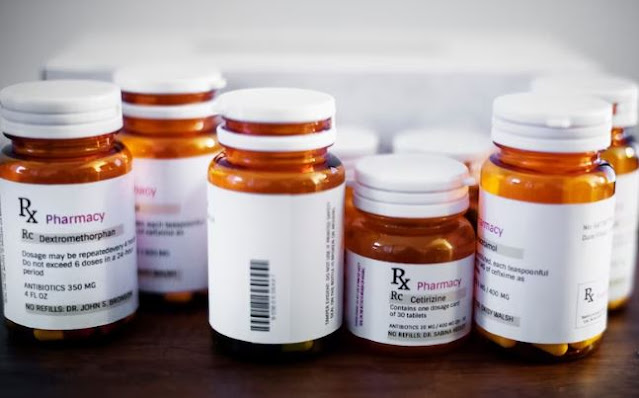
As the supplement industry continues to grow, more and more entrepreneurs are looking to start their own supplement brands. With the market becoming increasingly saturated, it is crucial to have a standout product that catches the eye of potential customers. One of the most important aspects of creating a successful supplement brand is designing an effective label. A label can make or break a product, so it is essential to get it right. 

In this article, we will provide 6 smart tips for designing effective supplement labels that will help your brand stand out from the competition. 
1. Determine Your Brand's Identity 

Designing a supplement label is not just about making something that looks nice, it's about creating a visual representation of your brand. Before you start designing, it's important to take a step back and determine what your brand stands for. Your label should reflect your brand's messaging, image, and values. If you are marketing an all-natural, eco-friendly product, your label should incorporate these values into its design. This includes the color scheme, imagery, and font choice. By doing this, you create consistency across all aspects of your business, and your customers will be able to easily recognize your brand. Having a clear understanding of your brand's identity is essential for effective marketing and can help set your brand apart in a competitive market. 

2. Use High-Quality Materials 

When designing a supplement label, it is important to consider the materials you will be using. The quality of these materials can greatly impact the overall appearance and longevity of your label. It is essential to use high-quality materials that can withstand the wear and tear of being shipped and stored. This is particularly important if you're planning to sell your product online or in retail stores. By using durable materials, you can ensure that your label remains intact and legible throughout the product's lifespan. Make sure to use a reputable plastic manufacturer as this can help ensure that the label is made with high-quality materials. 

3. Keep It Simple 

When designing your supplement label, it is important to keep it simple. Too much information or clutter on a label can be overwhelming and confusing for customers. Keep the design clean and straightforward, with essential information prominently displayed. A simple, clean label is easier to read and can help communicate the benefits of your product more effectively. Avoid using too many fonts or colors, and make sure the font size is large enough to read easily. 

product labels

4. Highlight Key Information

When designing a supplement label, it is essential to prioritize the placement of critical information. 

• Product Name: This should be prominently displayed on the label and accurately reflect the product inside. 

• Active Ingredients: The label should clearly list the active ingredients and their dosage per serving. 

• Supplement Facts: This section should include information such as serving size, number of servings per container, and the amount of each active ingredient per serving. 

• Directions For Use: This section should provide clear and concise instructions on how to take the supplement, including dosage and frequency. 

• Warnings And Precautions: Any potential risks or side effects associated with the supplement should be clearly stated on the label. This may include warnings for pregnant or nursing women, individuals with allergies, or people taking certain medications. 

• Manufacturing Information: This section should provide details about the manufacturer, including their name and address, as well as any relevant certifications or quality control measures they follow. 

• Expiration Date: The label should clearly display the expiration date of the product. 

• Net Quantity Of Contents: The label should display the amount of product in the container, either by weight or volume. 

By making this information easily accessible, customers can quickly identify and understand what they are buying. 

In addition to highlighting key information, it is also crucial to include any necessary warnings or precautions. This includes allergen information, dosage instructions, and any other relevant safety information. This information should be presented in a clear and concise manner, without the use of jargon or technical terms that may be difficult for customers to understand. 

5. Use Eye-Catching Design Element 

While it is essential to keep your supplement label simple and clean, you also want it to stand out from the competition. Using eye-catching design elements can help your product catch the eye of potential customers. Consider using bold colors, unique imagery, or creative typography to make your label pop. However, be careful not to go overboard with design elements, as too much can be distracting and detract from the overall effectiveness of the label. 

6. Get Feedback From Customers 

Once you have designed your supplement label, it is important to get feedback from customers. Ask for opinions on the overall design, readability, and effectiveness of the label in communicating the benefits of your product. Customer feedback can help you identify any areas for improvement and ensure that your label is effective in attracting and retaining customers. 

Conclusion 

To create a successful supplement brand, you need an effective label. Determine your brand identity, use quality materials, keep it simple, highlight key info, use eye-catching design, and get customer feedback. Use a reputable plastic manufacturer for durability, and seek feedback to improve your label and product.

Top M-Commerce Trends Today

m commerce trends geotargeting geofencing beaconing

Proximity Marketing 

Proximity marketing is one of the key trends to look out for today. 

‘Beaconing’ is a piece of technology that left as quickly as it came, with the trend of ‘geo-tagging’ fizzling out around 2010. However, in 2015, beacons were revived by Google, and in 2020 to 2021 it seems as though they are ready to make a comeback, to become a powerhouse within the m-commerce industry. Beacons are devices that can send out signals over a short distance, allowing companies to target users within a close proximity. How can these beacons be used to assist with mobile commerce? In store messaging – retailers will be able to use beacons to identify when a customer has entered the store, and in turn, send them an alert on their phone, potentially offering them discounts that they will be able to redeem at the cashier. 

Loyalty Rewards – using proximity marketing retailers will be able to offer loyalty rewards, based on the number of times an individual has entered the shop within a certain time period, and made a purchase.

Frequency – Being able to measure how long certain customers spent in specific areas of the shop can be an extremely powerful marketing tool. Using beacons will enable retailers to achieve this. 


m commerce trends geotargeting digital marketing masterminds

‘Shoppable’ Tags On Instagram 

Instagram’s new ‘shoppable’ tags are a great way to use social media to interact with a market. It is now easier than ever to advertise your products directly from Instagram, as if an individual sees something they like, they simply tap on the item, and they are taken to a different page, where they can view sizes and prices, and subsequently make a purchase. 

One Click Checkouts 

One click checkouts and digital wallets, such as Apple Pay and Amazon have improved mobile conversion on sales by up to 10%, which is unsurprising, as buying something is much more appealing when all that is required is a swipe, or a thumb print, rather than an entire set of credit card details. 

In a recent study, it was found that 67% of consumers admitted to digital window shopping, simply for fun, on their mobile devices, with 77% of them making an impulse buy from their online basket as a result of this. 

The more time that an individual has to spend filling out forms, credit card information, shipping details etc. the less likely they are to complete the sale. How many times have you given up with the purchase of a particular product due to the endless details that you’re required to fill out? With the streamlining of a retailer’s checkout process, they are more likely to make a higher volume of impulse sales. 


m commerce trends mobile shopping marketing smartphones

Omni-Channel Strategies 

Consumers in the modern era need an experience that is convenient for them. They need the ability to seamlessly switch between platforms, in order to make the buying experience more streamlined. If they are browsing on their PC during the day, when they come home in the evening the ability to continue right where they left off on their mobile phone is a tool that’s uses are unparalleled within the mobile commerce world. In order to create Omni- channel experiences for the customers, it is imperative that brands use consistent formatting across the aforementioned platforms, online bookmakers are experts at doing this, having invested millions in conversions. Having a unified message is also important, as continuity is key for the experience of the consumer. 

With proximity marketing being discussed earlier, it is important to note that these trends are not just individual tools that a brand can use to improve their mobile commerce presence, but should instead be used in tandem. If a company uses proximity marketing to send an offer to the consumer on their mobile, then when they go to redeem the offer this should be a seamless process, causing minimal stress for the buyer. This is Omni-channel marketing, the ability for a brand to integrate their unified message across various platforms, in order to streamline the experience for the consumer. 

Faster Checkouts 

As already established, time is of the essence with the modern buyer. The speed at which an individual is able to checkout, and then continue with their day, the more likely they are to both purchase the item, and also return to the mobile site again.. There are certain ways this is achieved, including no forced registration, having auto-fill enabled on the website, progress indication and also security reassurance. 

Forcing an individual to create an account has been show to cause basket abandonment. As mentioned previously, the modern generation of mobile shoppers have little patience, so minimising the steps that they need to go through in order to purchase a product is key. As shown in the infographic, 80% of shoppers have used their phone whilst inside a physical store, to check product reviews and compare prices online. Whilst doing so, if it was made apparent to them that within 2/3 clicks, they would be able to pay for that product and have it delivered to their home, then they are more likely to execute the purchase in this manner. 

Maximize M-Commerce

Minimising the content displayed on the checkout page is also important. It has been found that even a one second delay in mobile load times can impact conversions by up to 20%. (Source: Google SOASTA, “The State of Online Retail Performance,” April 2017). Site speed is also essential for SEO on Google searches, especially mobile searches. Keep these top M-Commerce trends in mind for mobile marketing success in 2021 and beyond!

Customer Service In Online Store Matters

customer service online store cx ecommerce shop solutions

Covid-19 forced retailers to go online overnight. The transformation that took months and years happened in a matter of days. 

The retailers are still learning how things work in the online world. Business owners have hired companies providing customer experience solutions online so that they can catch up in the race in which they started too late. 

One thing that has become a significant reason because of which e-commerce store owners are losing or gaining customers is customer support. 

Here are actions you can do to ensure that the customer visiting your e-commerce store gets a flawless experience. 

1. Your Website Should Be Fast

When a customer opens your website, regardless of it being accessed by a laptop or a mobile, it should load quickly. If your website glitches, then the customer will immediately leave and go to another website. 

2. Site Navigation 

When customers enter your site, they should be able to navigate around it easily. This way, the customer will see the product they came to buy and check the other products you offer. Navigation plays a crucial role in providing your customer with a good experience. 

3. Website Design 

Just like people are likely to enter a store with an excellent interior, people will enter a website that looks attractive. You can use 3D designs to make your website appealing. The better the design, the better experience you'll be able to give to your customer. 

4. High-Quality Pictures 

Product pictures you place on your website plays a huge role in selling your product to your customer. It helps your customer identify what you’re offering and what they’re investing their money in. 

5. The Simpler, The Better 

It is understandable that, like a good salesman, you would want to show your customer all sides of the product. However, putting up too many texts or pictures on the website will clutter the screen. The lesser the content, the better the customer experience will be. 

6. Customer Chat Box 

The customer might have questions about the product answering them on time might gain you a sale. A customer representative should always be online to assist the customer. This often becomes a gain changer in the quality of customer experience provided by a business. 

7. Showcase Your Reviews 

When a customer is buying things online, they can't see the product to ensure. So other people's reviews about your product become a testimony based on which they make their purchase. Make a separate review page better yet allot a little space to display reviews on your home page. 

8. Updated Inventory 

You should update the website regularly to mark items as available, wish list, or out of stock. If someone puts an article on the wish list you have restocked, you can send them an email notifying the availability. It makes the consumer feel that they matter to you, and you can also make sales.

Provide Strong Customer Service For Your Online Shop

The digital transformation happened rapidly because of the pandemic. But let's face it was waiting to happen. Things will remain the same even after the pandemic, so the competition ultimately comes down to the type of customer service you provide to your customer. 

A happy customer will be a loyal customer, whether you own an e-commerce store or retail shop (or both).

How Packaging Can Raise Brand Awareness

product packaging raise brand awareness

Everybody knows the old saying “don’t judge a book by its cover”. Everybody also knows that book-publishing companies (and marketing-conscious independent authors) put a lot of effort into creating great covers for books. 

In fact, book covers are widely held to be crucial to the success of a book and some of them even wind up being reproduced as separate artwork. In short, packaging matters a lot and customers will use it to make judgments about your brand. With that in mind, Ansini, who specialise in consumer packaging, share their three points to consider when looking at your packaging options. 

Sustainability Is Now A Big Issue 

Customers understand that packaging has to protect the product, hence, if a product is large and/or delicate they will appreciate that it will usually need a decent amount of packaging in order to keep it safe. There is, however, less and less tolerance for brands using packaging purely for their convenience (e.g. plastic-wrapped fruit and vegetables) or to “enhance the brand’s message”. In other words, use the minimum amount of packaging to do what you need to do and say what you can say on that, do not use packaging just because you can. 

Accessibility Matters 

The Equality Act requires companies not to discriminate against people based on certain, protected criteria. These days, it’s probably very unlikely that many companies will do this deliberately; however, it is entirely possible that companies are still discriminating through ignorance. 

For example, it has been highlighted that some company websites are very challenging to navigate if a user has certain disabilities such as visual impairments or impaired motor skills. Similar comments can apply to packaging. For example, if you’re going to include important information on your packaging, then you need to make sure that it is presented in a way which is accessible to everyone. 

If you’re tempted to think that this isn’t a brand-awareness issue, then we’d recommend you think again. Basically, this is a customer-service issue and if your company develops a reputation for poor customer service then no amount of beautiful packaging will correct it. 

The Overall User Experience Has To Be Good 

In all likelihood, a person’s first experience of your packaging will be a visual one; hence your packaging should be appealing to the eye. If, however, they continue to investigate your product, their next experience of it will be a tactile one. 

Therefore, it’s important to think about how your packaging feels in the hand and, in particular, if there are any strategies you could use to make it easier for the customer to make a purchase. For example, if an item is bulky, could your packaging include some type of handle to make it easier to carry? 

Finally, picking up from the first point, it’s also important to look at the experience of getting an item out of the packaging. While customers do understand that packaging has to be secure, they also understand the concept of proportionality. In other words, do what is necessary to keep your product safe and stop there. 

Ansini are specialists in vacuum forming and product packaging, with over 25 years' experience in plastic product and aircraft seat manufacturing.

How to Increase Sales with Creative Product Labels

tips to increase retail sales with creative product labels

Want to get more product sales and profits?

Trying to create the best labels for your product branding?

Creative design is essential within every part of your business branding strategy whether that includes designs for digital signage, social media profiles, or product labels. A great design can be the one thing that allows your product to move ahead of competitors and get you more sales than you can handle.

It is important that you put a lot of effort into crafting the perfect label if you want to make sure your product is flying off the shelves.

Below we will give you our top 4 tips for increasing sales with creative product labels.


1. Add Better Visuals

One of the best things you can do to make your product labels more interesting and creative is to add some stylish, high-quality visuals to it.

Using illustrations, graphics, and images that relate to your product or catch a customer's eye in some way can be helpful for getting their attention. However, make sure you don't overdo it as you may risk making your label look too cluttered.


2. Choose the Right Color Scheme

Choosing the right color scheme is also important for improving your product labels. Believe it or not, color psychology plays a part in the products customers choose to purchase so don't neglect this component.

Red, for example, is the color of attraction while blue evokes a feeling calmness in anyone who looks at it. Make sure that you're using color psychology to your advantage to attract customers and to draw attention to your product.


3. Experiment With Typography

Choosing the right typography can make all the difference in creating a great label that gets you more sales. Choose your fonts and typefaces carefully and know your customer when determining which font aesthetic would speak to them.

Additionally, you may want to consider using more than one typeface on your label. Using two or more typefaces together can add some differentiation and visual interest to your label.

Using two typefaces to great effect can help make your label more easy to understand and will make your label seem less cluttered as well.


4. Improve Readability

The final thing to remember when designing high-quality product labels is that you need to make sure your labels are as readable as possible.

While it is great to make creative labels, you also don't want to go overboard with it. Even if your product label has illustrations, interesting typefaces, or attention-grabbing color schemes you need to ensure that it's all part of a cohesive whole. It should be able to be read easily by anyone considering making a purchase.

Using the right font and adding more white space can help with improving readability. You should also make sure that you're using high-quality sticker paper sheets or paper for your labels.


Getting More Sales With Your Product Labels

While there is a lot to consider for ensuring your product labels will attract sales, by using the tips above you will have a great chance of getting more customers with your labels. By thinking long and hard about your label design, all of the time you spent making the product itself will be well worth it in the end.

Looking for more marketing and branding tips? Click here to find out which advertising methods are best for your business to use.

Accepting Payments: Is a Payment Processor Better Than a Merchant Account?

marketers accepting payments merchant account payment processor

Given that 96% of American consumers are now shopping online, it's important to have the right setup installed. You need a payment processor that makes sense to your company and the type of customers that you serve.

Here is everything you need to know about how a merchant account differs from a payment processor.


Understanding Merchant Accounts

If you want to accept prompt payments at your company, you're going to want to have an account that helps you process card payments faster. The payment gateway that you set up is going to deposit funds from your credit card into that account. Setting up a designated schedule allows you to make sure those payments end up in your business's bank account to keep the cash flow moving.

Your merchant account isn't going to be the same as your business's bank account. Some people are confused by this fact and end up conflating the two incorrectly. The money that your business earns should end up in a business bank account where you can work with it. Your merchant account is a place that you hold deposits at.

It allows for money to be deposited from payments and also provides a way to easily process returns. If you had to take the money for returns out of your business's bank account, you'd have some challenging tax issues to deal with.

If you have money in your merchant account, any returns get subtracted from that account. The funds that remain will, on a scheduled basis, then end up getting deposited in your bank account.

If you take payment from multiple sources, your merchant account works to ensure that everything comes to one place and results in one deposit. Rather than having to track down multiple deposits, your merchant account makes your money easier to manage and reconcile later on.


Understanding What a Payment Gateway Is

A payment gateway differs from thew ay a merchant account works. It's a type of technology that helps to connect all sorts of online merchants and payment networks together. In seconds, it integrates everything in a central location with a common interface.

A payment gateway is meant to integrate with your e-commerce site or your online store. It makes life easier by integrating your ability to process cards with everything else that your business does. Online credit card processing is unnecessarily complicated without a payment gateway.

The gateway is meant to add a layer of security while you capture the payment details that your customers leave behind with their transactions. With tools provided by the payment gateway, the merchant sends a secure packet of data containing all of the shopper's information. The gateway helps by encrypting the payment information that it transmits, making it hard to hack.

Payment gateways cut right to the chase by routing information to the payment processor or the bank managing the money. The bank or the processor takes the wheel for the rest of the process. Using this system banks get the chance to screen for fraud and then route transactions over to the card's network.

The whole thing happens instantaneously and then sends an approval or a declination via the gateway. This either directs shoppers to a confirmation page or tells them to try another form of payment.


Understanding Payment Gateways and Processors

A payment processor is connected directly to card networks like Visa or American Express. Meanwhile, a payment gateway helps to connect merchants with processors. They're a centralized hub that helps to keep payments running smoothly and as payment processors become larger, they use gateways to help.

The ideal gateway helps by offering multiple payment methods. Since people are using more than just credit cards to pay for things online, the number of different tools require mediation. Many payment gateways support the whole variety of payment options to help attract and retain a larger number of customers.

With eWallets, direct deposits, wire transfers, and touchless payment options growing, there is a growing need for tools to help.

Payment gateways help with fraud protection. Since online businesses risk a leak or an attack every time they send data for a payment, it's important to stay on top of the potential for fraud. If a business sees a high rate or fraud, they're going to end up with chargeback fees and penalties.

This ruins reputations and leads to lost profit as customers get fed up with the risk that they're confronted with just by supporting a business.

More people are using recurring billing and subscription services to help keep their bills paid on time. Since you only need to set up payment for these once, your information needs to be safely and securely stored in the interim. Payment gateways are responsible for updating and protecting this information regularly.


Which Works for You?

As things change in every industry, it's going to be more important for you to have a robust payment gateway than a merchant account. However, it's likely that more companies are going to offer better solutions for merchant accounts that allow for flexibility. They're going to have to grow or risk dying out.

Ask around other people in your industry or ask colleagues what they prefer to use before you sign any contracts. Check to see which type of payment method is going to cost you the least while giving your customers access with any type of payment they're likely to choose.

See what High Risk Solutions has to offer for some insight into potential solutions.


A Payment Processor is Vital No Matter How You Do Business

You're going to need a payment processor if you accept any kind of non-cash payment at all. If you're looking to improve your service, you should consider combining a payment gateway with a processor.

If you're looking to modernize your marketing while you're at it, check out our guide to using SEO to your advantage.

How To Boost Retail Sales With Merchandising And Marketing

boost retail sales merchandising marketing selling masterminds blog

The high street has undoubtedly suffered over the past few years with major retail stores closing each year. Former retail leaders like Toys R Us and Sears Holdings have falling into bankruptcy as of late. But fear not, there are still methods to ensure greater financial benefits! 

For retail businesses, visual merchandising has led to a lot of sales. However, the problems dominating retail over the last decade make executing a successful visual merchandising strategy especially important if you want your retail brand to survive and prosper. 

To find out how you can benefit from visual merchandising as a retail business for the new year, we’ve created an insightful guide that will ensure greater financial results. 

The importance of visual merchandising for retailers shouldn't be underestimated. You want to create a memorable experience for your customer and this can only be achieved by a focus on visual merchandising — such as product displays. 

Come up with a strategy that has an entire meaning behind it. There’s a science behind why certain presentations, structures and even colors deliver a better experience than alternative arrangements, and it’s been established that a strong retail visual display can raise turnover and strengthen your brand; even inspiring customer loyalty in the process. 

Bob Phibbs, from The Retail Doctor in New York made one comment: “Visual merchandising is everything a shopper sees at your store that hopefully leads to a remarkable shopping experience. It is the unspoken language retailers use to communicate with their customers.” 

The Customer Perspective 

Over the next few years, there are plenty of opportunities for retail businesses to take to ensure greater custom and continued retention. Did you know that by next year, global retail sales are predicted to hit US$ 27.7 trillion? 

Think from the customer's perspective, what products do they want to see? A tip here is to go for what you think your customer wants — not needs. According to a study by Raj Raghunathan and Szu-Chi Huang, emotional responses are influential in our purchasing choices — which is why you should focus on giving the customer something to desire. 

If you want to increase profitability, position your newest products central — using life size cut outs of the product to capture the attention. You could also use banners alongside these displays to present promotional offers for luxury items that you want the consumer to take notice of — and buy! 

Grouping Your Product Displays 

Merchandise visualizers are renowned for grouping products together. A recent report found that exposing your shopper to the maximum number of products is a tactical method when carrying out visual merchandising. However, don’t make your displays look crowded. Utilize different display furniture, such as mannequins, racks and shelves — whichever suits the product you’re merchandising — and bear in mind that focal points boost sales by a reported 229%, so ensure that you effectively direct your consumers when they enter your store. 

If you haven’t already, you should consider the Pyramid Principle or even the Rule of Three when it comes to product positioning. The Pyramid Principle dictates that you create a triangular display, with the biggest item in the middle and the smallest on the outside — which ensures that your display doesn’t look flat and boring. Instead, it will catch the eye, as the products seem to ‘fall’ down towards the viewer. Equally effective is the Rule of Three. Within this, you create attractive asymmetry that shoppers will find engaging. Apparently, humans see asymmetry as normal — which means they pay less attention. By placing product in groups of three, you can create a noticeable imbalance that forces the eye to take in each product individually, as opposed to the display in its entirety — excellent for effectively advertising each item. 

Making Use Of Color 

“Things that are easy to look at will be passed over, and things that are too outlandish will be offensive to the eye” was one comment from Jessica Clarke. Contrasting colors at the opposite side of the color wheel can help grab attention — think black and white or scarlet and jade — but creating a multi-colored display of uncoordinated colors may turn people away. The right color or branding will sell a customer a much higher percent of the time. 

A Clear Shopping Zone 

All customers look for a decompression zone when it comes to shopping. This area of a shop is found just a few feet inside the main entrance and is believed by psychologists to elevate a shopper’s mood, acclimatize them to the store’s surroundings and get them ready for the shopping experience

People want to feel good when they shop. An effective decompression zone will help transport your consumer from the hustle and bustle of outside to a calmer, more focused environment that encourages browsing. Here are decompression zone tips: 

 Minimum of 10-15 feet. 
 Based at shop entry with a full view of store. 
 Created using contrasting furnishings and colors from outside area to signal new atmosphere. 
 Use mannequins, attractive stands and specialized lighting to highlight your newest ranges. 

Why not use your decompression zone to create a ‘circulation route’ from the right side that leads around your store for a smoother customer journey? Or, try placing your best products at the right of your decompression zone, if this is the most likely route consumers take. Did you know that 98% of people turn right after entering a shop? 

Taking Advantage Of The Five Senses 

Visuals are important, but so is capitalizing on other senses. Reportedly, 75% of emotions come from smell and our mood is meant to enhance 40% when we detect pleasant aromas. If you run a fragrance, soap or food retail establishment, are you harnessing the power of smell when it comes to merchandising? 

When looking at smells for example, if you run a bakery and want to evoke a feeling of warmth, coziness and home-cooking; ensure that your customers can distinctly smell your products baking from the kitchen by setting up the area to waft aromas into the main shop. Similarly, if your brand specializes in soaps and toiletries, place these strategically around your shop floor to avoid clashing aromas. For example, put all the citrus products together to evoke a sense of energy and rejuvenation and keep these far away from lavender and chamomile scents, which are more relaxing. 

Change Is Good 

You should constantly be looking at innovative ways to switch up your store. A major part of tactical visual merchandising is moving your presentations as new stock comes in. Don’t let customers get bored of visiting you — keep changing things up and you can make it look like you’re constantly replenishing your stock and bringing in new and wonderful items (even if you’re not). 

Rejuvenate Retail

People look for a great experience. With visual merchandising, you can ensure that your shop offers something engaging to keep consumers interested — so why not start planning out your shop’s next visual merchandising campaign today? 

More Sources: 

https://www.myfrugalbusiness.com/2018/10/how-improve-retail-customer-shopping-experience.html

https://www.myfrugalbusiness.com/2017/12/anatomy-perfect-unboxing-experience-infographic-ecommerce.html

https://www.leanstartuplife.com/2018/10/creating-better-shopping-experience-customers-retail.html


I hope you enjoyed this article about how to boost retail store sales with tried and true merchandising and marketing techniques.

Interested in reading more articles from Marketing Masterminds? 

Read My Posts: 

- Amplify Your Marketing With Lead Magnets

- Boost Your Ecommerce Store With An Improved Web Presence

More Marketing Masterminds Media Below

The Fashion World Creates Logos That Look-Alike

fashion world logos look-alike chanel gucci branding design

Perhaps you have noticed the recent graphic design trend in the fashion world. More and more brands choose to redesign their logos into more minimalistic ones. As a result, the general audience often finds them looking… sort of the same. Or at least very similar. However, is that really the case? Let’s look closer at some of the fashion houses that are considered to lack creativity when it comes to their rebranding or even assumed to be copying the designs of their competitors. 

The Monograms 

Chanel and Gucci are two luxury brands that run using famous minimalistic monograms. Each includes round shapes formed by the initials of the founders' names – Coco Chanel and Guccio Gucci. There are speculations as to whether CC is actually from Coco or perhaps a shape from a stained glass of a monastery orphanage in Aubazine where Chanel grew up. 

Nevertheless, no matter what the origin is, the perception of the audience stays the same: both logos use symmetrically arranged, round letter. When shows apart, some people easily confuse Chanel with Gucci. However, once the two are presented side by side, suddenly the differences are big enough to tell them apart. 

The Fonts 

In the fashion industry not only the monograms become similar but so do the logos featuring the brands’ names. In the past years, many fashion houses adjusted their typography into a more modern one. Think about brands like Saint Laurent Paris, Balenciaga, Burberry, Berluti or Balmain. All of them share the same characteristics. The brand name is in a black color, the logo uses uppercase typography and the font applied is sans-serif. The trend is so strong in beauty brands that, in the coming years, more fashion designers are expected to implement similar changes, no matter how well established, famous or luxury their brand is. 

The Logo Trends Reasons 

Most likely, each one of us thinks: “Why?”. For many of these brands, the old logos stood for heritage and traditional values. Why would Burberry want to adjust their branding when the previous one worked so well? The reasons are multiple. First of all, fashion houses set or follow trends. Since the industry presents a new logo trend, in order to stay relevant and on track, brands follow it. Secondly, simplified typography, such as the sans-serif fonts, give better legibility on small apparel. 

Duplicate Designs

Moreover, it fits all items and products. A simple and contemporary-looking logo can be sewed into all sort of clothing or accessories. As the co-founder of a graphic design company UnderConsideration, Armin Vit, said: it is like wearing a black-tie tuxedo—classically stylish, but muted enough such that it doesn’t steal the show. 

Natalia Raben takes care of content marketing at DesignBro (https://designbro.com/brand-identity-design/). She is a lover of design, photography, fashion and the arts.


I hope you enjoyed this article about why the fashion world creates logos that look-alike for brand design and retail or ecommerce stores.

Interested in reading more articles about retail marketing? 

Read My Blog Posts: 

- How To Boost Retail Sales With Masterful Merchandising

- Tips To Increase In-Store And Online Sales With Better Labels

More Marketing Masterminds Media Below

Marketing Masterminds Media Network Newest Posts: