

Key Takeaways
- Personality assessments provide insights into individual traits, improving team dynamics.
- They help in identifying strengths and areas for development within the team.
- Utilizing these tools can lead to increased productivity and reduced conflicts.
Understanding the unique personalities within a team can unlock new levels of effectiveness, engagement, and innovation. Teams that harness personality insights communicate more openly, assign roles more strategically, and handle challenges with greater resilience. By leveraging tools like the Caliper assessment test, organizations can make informed decisions about hiring, leadership development, and team collaboration, driving better business results.
Personality assessments provide the foundation for building well-balanced teams by identifying individual motivators, stressors, and preferences. When used thoughtfully, these insights foster a team culture where people appreciate differences, leverage diverse strengths, and collaborate toward shared goals. Organizations that invest in understanding team dynamics can reduce costly conflicts, boost productivity, and enhance overall morale.
By using assessments to understand how people work together, leaders can structure teams to maximize strengths and address potential friction points before they escalate. These tools also serve as a roadmap for coaching, professional development, and even succession planning, raising the standard for teamwork at every level.
Getting the most from personality assessments requires more than simply taking a test. It means integrating insights into everyday practice, using them to foster honest conversations, create tailored development plans, and refine project management strategies.
Understanding Personality Assessments
Personality assessments are structured tools designed to reveal individuals' traits, behaviors, and motivators. These assessments, such as the Big Five personality traits model and the Myers-Briggs Type Indicator (MBTI), are grounded in psychological research and offer a lens for understanding how different personalities function within a team. The science behind these assessments helps leaders recognize why some employees excel in fast-paced environments while others thrive in collaborative or detail-oriented settings.
Properly administered, personality tests go far beyond labels or types. They emphasize individual strengths, communication styles, and preferred ways of working. Teams benefit from gaining insight into why some people handle stress differently, how decisions are made under pressure, and what drives engagement or disengagement in group projects. When these dynamics are understood, team leaders can proactively address gaps and leverage diversity for optimal performance.
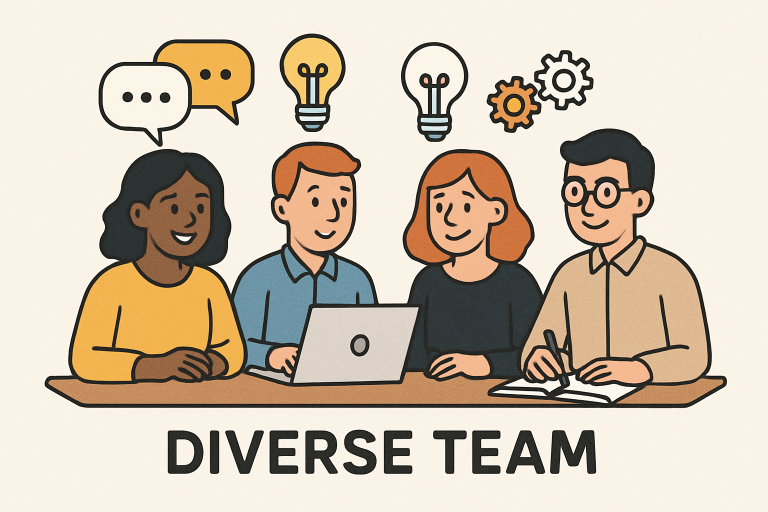
Benefits of Personality Assessments in Teams
- Enhanced Communication: Teams equipped with knowledge of personality differences can tailor their interactions, reducing misunderstandings. Open and constructive dialogues become easier, leading to a more supportive and effective work environment.
- Improved Collaboration: Awareness of individual preferences helps assign roles that play to each member’s strengths. This supports synergy, creativity, and a sense of shared ownership.
- Conflict Resolution: Personality insights make it easier to identify and address sources of friction before they hinder team progress. Proactive conflict management strategies can be developed, and specific problems can be de-escalated quickly.
- Increased Productivity: When teams are structured around personal strengths, efficiency follows. Members are more likely to deliver high-quality work in less time because tasks align with their natural abilities and interests.
As companies increasingly focus on employee well-being and engagement, the strategic use of personality assessments becomes a competitive advantage. Recent studies underscore the link between teams applying these insights and higher levels of job satisfaction and performance.
Implementing Personality Assessments Effectively
- Select Appropriate Tools: Choose an assessment that aligns with your organization’s culture, goals, and specific team challenges. Tools that are validated, easy to interpret, and relevant to your industry are most effective.
- Ensure Confidentiality: Team members must feel safe sharing honest responses. Guaranteeing confidentiality fosters an environment of trust and participation.
- Provide Training: Invest in training for managers and employees so they fully understand how to interpret and apply assessment results. This helps prevent miscommunication or misuse of the data.
- Integrate Findings: Use assessment insights to inform onboarding, performance reviews, and regular team check-ins. Incorporating results into daily workflows makes the process meaningful and actionable.
Real-World Examples of Success
A leading technology firm sought to address rising workplace conflicts and stagnant project outcomes. By integrating personality assessments into its team-building process, the company clarified roles and improved communication. Within 1 year, they reported a 25% increase in productivity and a 50% decrease in interpersonal disputes. The catalyst for this change was not just the assessment itself, but the commitment to act on the findings, pairing team members with complementary strengths and developing targeted training programs.
Healthcare organizations and large consultancies alike have discovered similar benefits, noting reductions in turnover and measurable gains in employee satisfaction. These successes demonstrate that understanding people, beyond their resumes or technical skills, yields sustainable advantages.
Choosing the Right Assessment Tool
- Validity and Reliability: Ensure the tool is supported by scientific research and that its results are both accurate and consistent over time.
- Relevance: Seek out assessments tailored for your industry or your team’s particular function. Not all tools are created equal, and some may offer more actionable insights for your unique context.
- User-Friendliness: Opt for platforms and tools that are intuitive and straightforward, with clear scoring and reporting systems that let teams easily understand and act on the results.
Consulting subject matter experts or trialing assessments in a pilot setting can help organizations make informed decisions and avoid common pitfalls.
Overcoming Challenges in Implementation
- Resistance to Change: Transparency is key. Leaders should communicate how previous teams have benefited and provide opportunities for employees to ask questions.
- Misinterpretation of Results: Offering ongoing training and using the results as possibilities, rather than labels, prevents stereotyping or overgeneralization.
- Overreliance on Assessments: Personality tests are most effective when complemented by other information, such as feedback, peer reviews, and real-world performance data.
Future Trends in Personality Assessments
- Integration with AI: Artificial intelligence is enabling more nuanced, predictive analyses, allowing organizations to gain real-time insights about team potential and compatibility.
- Real-Time Assessments: Ongoing, iterative feedback mechanisms enable gauging shifts in team dynamics and individual growth as they happen.
- Customization: There is a growing movement towards building bespoke assessments adapted to specific business needs, ensuring maximum relevance and impact.
As the workplace continues to evolve, digital tools and machine learning will make personality-based insights even more accessible and actionable, enabling companies to iterate and innovate at speed.
Final Thoughts
Personality assessments are not just tests, they are powerful frameworks for building cohesive, high-performing teams. By understanding and celebrating the diversity of strengths and preferences, organizations can foster cultures of collaboration, productivity, and growth. When embraced as a continuous practice, these tools create more resilient teams prepared for the challenges and opportunities of the modern workplace.
